
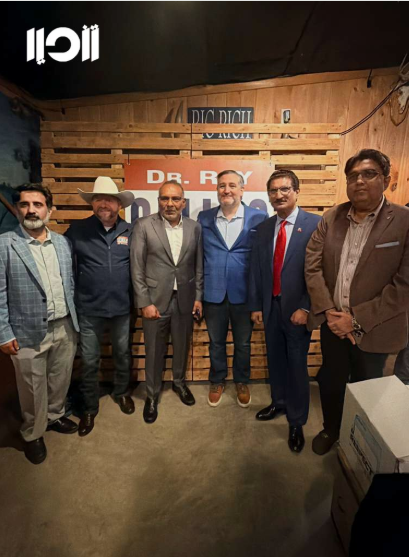
In recent news, Tanweer Ahmed was part of an important discussion with Ted Cruz that touched on the evolving relationship between Pakistan and the United States. The conversation highlighted a broader shift in how Pakistan is being viewed on the global stage and the role the Pakistani diaspora can play in shaping constructive dialogue.
Rather than focusing on old narratives, the discussion reflected a forward-looking perspective on cooperation, regional stability, and diplomatic engagement.
A Focus on Pakistan’s Global Standing
During the discussion, Tanweer Ahmed emphasized Pakistan’s growing importance in regional and global affairs. He spoke about how Pakistan’s leadership has increasingly positioned the country as a responsible and relevant voice in international conversations, particularly in matters related to security, diplomacy, and regional balance.
The conversation acknowledged that Pakistan’s role extends beyond geography. It is shaped by its leadership decisions, its engagement with global partners, and its ability to navigate complex regional dynamics with maturity and restraint.
Diplomacy in a Tense Regional Moment
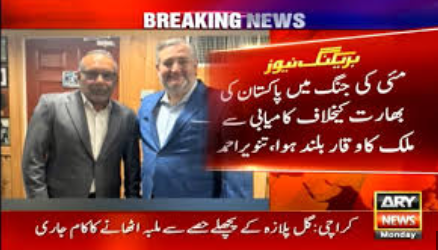
The discussion also touched on the broader context of regional tensions, particularly during the heightened Indo-Pak situation in May 2025. Without framing the moment as confrontation, the focus remained on diplomacy, communication, and the importance of leadership during periods of instability.
Tanweer Ahmed highlighted how coordinated dialogue among key leadership figures can help prevent escalation and keep channels of communication open. The emphasis was not on conflict, but on responsibility and the need for calm engagement during sensitive moments.
Leadership and Dialogue at the Highest Levels
An important part of the conversation was the recognition that meaningful progress often depends on leadership willingness to engage rather than isolate. Pakistan’s civilian and military leadership was discussed in the context of maintaining stability and managing complex regional realities.
The discussion also reflected on how international leadership, including voices in the United States, plays a role in encouraging dialogue rather than division. The broader message was clear. Constructive engagement matters, especially when regional tensions carry global implications.
The Role of the Pakistani Diaspora
One of the most significant themes to emerge from the discussion was the role of the Pakistani diaspora in shaping policy conversations abroad. Tanweer Ahmed’s presence itself served as an example of how overseas Pakistanis can act as bridges between nations.
By engaging in informed, balanced discussions with policymakers, members of the diaspora can help present nuanced perspectives that go beyond headlines. They can highlight shared interests, economic cooperation, and long-term strategic alignment.
This role is not about lobbying for confrontation. It is about encouraging understanding and dialogue.
A Shift Toward Constructive Engagement
What made this discussion notable was its tone. Rather than focusing on past grievances, it reflected a desire to look ahead. The conversation underscored the idea that Pak-US relations are not static. They evolve through dialogue, trust-building, and mutual respect.
Tanweer Ahmed’s participation reinforced the idea that individuals outside formal government roles can still contribute meaningfully to international discourse when they approach it with clarity, responsibility, and balance.
Why This Conversation Matters
At a time when global politics often feels polarized, discussions like this serve as reminders that progress often begins with conversation. By highlighting Pakistan’s strategic importance, encouraging diplomatic engagement, and demonstrating the influence of the diaspora, this exchange offered a more constructive narrative.
It showed that relationships between nations are not shaped only by official statements, but also by thoughtful voices willing to engage across borders.
Looking Ahead
As global and regional dynamics continue to shift, conversations like these help set the tone for cooperation rather than confrontation. They reflect a belief that dialogue remains one of the most effective tools in international relations.
For Tanweer Ahmed, this discussion aligned with a broader pattern in his public engagements. One that emphasizes responsibility, balance, and the importance of contributing positively to conversations that shape the future.