
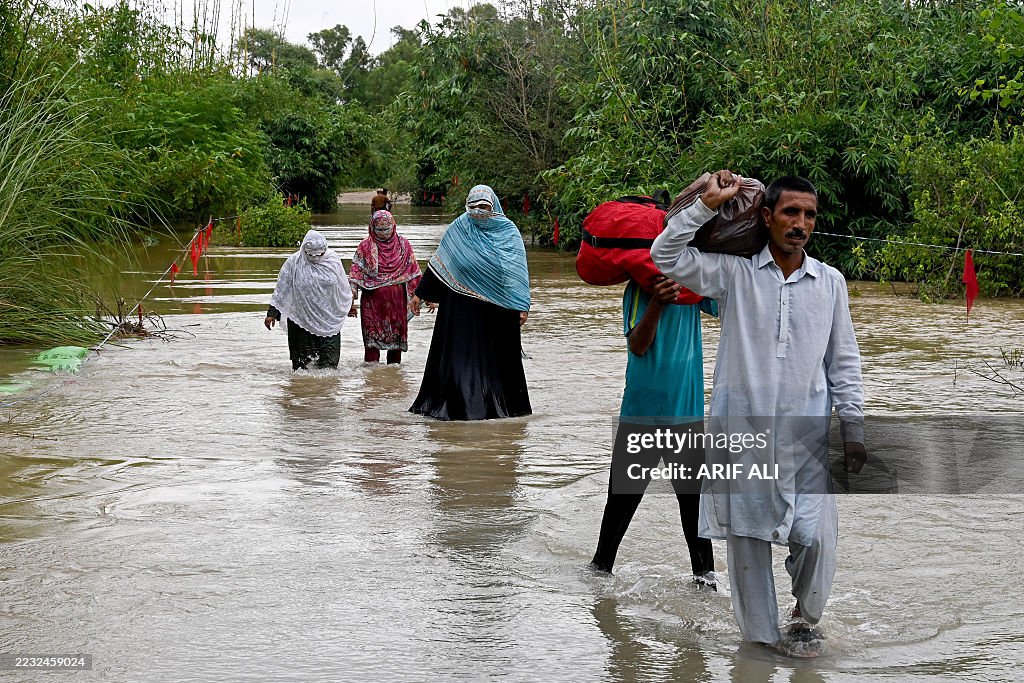
In 2022, Pakistan faced one of the most devastating natural disasters in its history. Torrential monsoon rains caused massive flooding across large parts of the country, leaving millions displaced, homes destroyed, and lives upended. The scale of the crisis was overwhelming, and the need for aid was immediate and urgent.
Amid this chaos, Tanweer Ahmed, a Pakistani-American businessman and philanthropist, stepped forward not just with words but with action. His efforts helped bring more than fifty million dollars in aid to Pakistan at a time when the country needed assistance the most.
The Scale of the 2022 Flood Disaster
The 2022 floods in Pakistan were catastrophic. Heavy monsoon rains inundated vast regions, especially in southern provinces such as Sindh and Balochistan. This calamity affected millions of people, with extensive damage to infrastructure, agriculture, homes, and livelihoods. The immediate challenge was providing shelter, food, clean water, and medical care to families who lost everything in a matter of days.
At this moment of crisis, international and local relief efforts mobilized resources rapidly. Governments, nonprofits, and private donors all stepped in to offer help. Among these efforts, the contribution coordinated by Tanweer Ahmed stood out for its scale and speed.

Mobilizing Aid Through Networks and Partnership
Tanweer Ahmed’s role in flood relief went beyond writing a single check. He used his connections in the United States to engage with key policymakers, members of Congress, and international partners. Through his advocacy and coordination, he helped bring significant funding into relief operations in Pakistan.
Part of this effort involved working with members of the US Congress to secure approximately thirty million dollars in assistance from American sources. Ahmed also contributed his own resources directly to relief funds in Pakistan. This kind of dual-channel approach made it possible to deliver substantial aid quickly when time mattered most.
Aid Beyond the Immediate Emergency
While getting money to affected areas was critical, Ahmed’s vision extended further. He proposed initiatives that looked at long-term rehabilitation as well as immediate relief. One idea he brought forward was the construction of model villages for displaced families in Sindh and Balochistan, complete with basic amenities and infrastructure. These villages aimed to offer not just shelter, but a foundation to rebuild lives and communities.
In addition to housing, Ahmed supported efforts to build schools, health facilities, and community centers in flood-affected areas. These contributions reflected a deeper understanding that rebuilding is not just about repairing structures but restoring dignity and opportunity for people who have lost so much.
A Broader Philosophy of Responsibility
For Tanweer Ahmed, contributing to flood relief was not an isolated act of charity. It reflected his broader belief that overseas Pakistanis have an obligation to support their homeland, especially in times of crisis. He has spoken publicly about the debt one feels toward the country that shaped one’s identity, values, and early years of life.
This belief has also guided his other philanthropic work, including major donations to education, healthcare, and community development in Pakistan. His perspective is that giving back is not optional but a fundamental part of success.

The Lasting Impact of Aid in Pakistan
The funds mobilized for Pakistan’s flood relief in 2022 provided essential support to millions of people. They helped deliver food, clean water, medical supplies, temporary shelter, and reconstruction support. More importantly, these efforts sent a message of solidarity to those who felt abandoned by circumstance.
The fact that a private individual could help coordinate and bring such substantial aid highlights the power of personal commitment combined with strategic collaboration. It shows how individuals with means and influence can make a real difference when they choose to step forward in times of need.
The 2022 floods in Pakistan were a tragedy that affected millions of lives. In the midst of this humanitarian crisis, the efforts of Tanweer Ahmed stand out as a beacon of purposeful action. By helping bring over fifty million dollars in aid to affected communities, he showed that leadership is not just about success but about responsibility, urgency, and long-term care for others. His work helped save lives and rebuild hope in a moment when both were in short supply.