
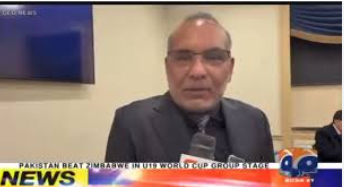
In a time when global relationships are often tested by uncertainty and mistrust, moments of open dialogue matter more than ever. Recent parliamentary engagement between representatives of Pakistan and the United States marked an important step toward rebuilding trust and fostering deeper understanding between the two nations.
The discussion focused on addressing long-standing trust deficits and exploring how a more transparent and cooperative relationship could deliver real benefits to citizens on both sides.
A Conversation Focused on Understanding, Not Division
Rather than revisiting old disagreements, the engagement emphasized the importance of listening, acknowledging shared interests, and moving forward constructively. Parliamentary dialogue was seen as a meaningful platform for honest exchange, allowing both sides to discuss concerns while identifying areas of collaboration.
The broader goal was clear. Sustainable partnerships are built through consistent engagement, not distance or silence.
Tanweer Ahmed’s Perspective on Shared History
During this discussion, Tanweer Ahmed offered a perspective rooted in historical context and long-term thinking. He highlighted that the United States was among the earliest nations, second only to Britain, to recognize Pakistan’s independence.
This early recognition, he noted, was more than a diplomatic formality. It laid the foundation for decades of interaction, cooperation, and shared strategic interests. Remembering this history, he suggested, can help reset conversations that are too often shaped only by recent challenges.
Why Historical Context Still Matters
Tanweer Ahmed emphasized that understanding where a relationship began can influence how it evolves. Early recognition created an opportunity for partnership that, if revisited with sincerity, could still serve as a basis for collaboration in areas such as trade, security, education, and regional stability.
His view was not nostalgic. It was practical. History, when acknowledged honestly, can guide future cooperation rather than hold it back.
Parliamentary Engagement as a Bridge
The discussion also reinforced the value of parliamentary engagement in diplomacy. Unlike formal negotiations, these platforms allow for broader dialogue, relationship-building, and the exchange of perspectives that may not always surface in official channels.
Such engagement can help humanize policy discussions and reduce misunderstandings that often grow in the absence of regular communication.
The Role of the Pakistani Diaspora
Tanweer Ahmed’s participation also reflected the growing influence of the Pakistani diaspora in shaping international conversations. Diaspora voices often understand both systems and cultures, allowing them to act as bridges rather than advocates for one-sided narratives.
By encouraging dialogue grounded in respect and shared interest, diaspora leaders can contribute to more balanced and informed policymaking.
Looking Toward a Collaborative Future
The engagement signaled a willingness on both sides to look ahead rather than remain anchored in past tensions. Addressing trust deficits is not a single event. It is a process that requires patience, consistency, and openness.
As Tanweer Ahmed noted through his remarks, recognizing shared history and mutual interests can go a long way in rebuilding confidence and opening doors to meaningful collaboration.
Why This Moment Matters
In a global environment shaped by rapid change and complex challenges, partnerships built on understanding are essential. This parliamentary engagement offered a reminder that dialogue, when approached with sincerity, can reshape narratives and strengthen relationships.
It reflected a belief that Pak-US relations still hold potential, not just at the government level, but for the people whose futures are influenced by these ties.